
Industrial growth and economic stability depend heavily on a consistent and reliable energy supply. Across sectors such as manufacturing, logistics, construction, marine transport, and infrastructure development, fuel plays a central role in keeping operations running smoothly. Without dependable fuel distribution, businesses can face costly downtime, operational delays, and reduced productivity.
For companies operating in energy-intensive industries, choosing the right petroleum supplier is not just a purchasing decision—it is a strategic partnership. Reliable fuel supply ensures uninterrupted production, efficient equipment performance, and long-term operational stability.
Why Reliable Fuel Supply Matters
Fuel powers machinery, transportation systems, generators, and industrial equipment. Any interruption in supply can halt operations instantly. In industries that operate on tight schedules and high output demands, even a short disruption can lead to significant financial losses.
A reliable fuel supplier ensures that petroleum products are delivered on time and in the required quantities. This stability allows companies to plan their operations confidently without worrying about supply shortages.
Reliable suppliers also provide consistent product quality, which is essential for protecting machinery and maintaining efficiency.
The Importance of Fuel Quality
Fuel quality directly impacts the performance and lifespan of industrial equipment. Poor-quality fuel can cause engine damage, reduce efficiency, and increase maintenance costs.
High-quality petroleum products ensure:
-
Efficient combustion and energy output
-
Reduced wear and tear on engines
-
Lower emissions and environmental impact
-
Improved operational reliability
Businesses that prioritize fuel quality often experience better productivity and reduced operational expenses in the long run.
Supply Chain Efficiency in the Energy Sector
The global energy market relies on a complex supply chain involving refining, storage, transportation, and distribution. Efficient logistics and supply chain management play a critical role in ensuring fuel reaches industries safely and on time.
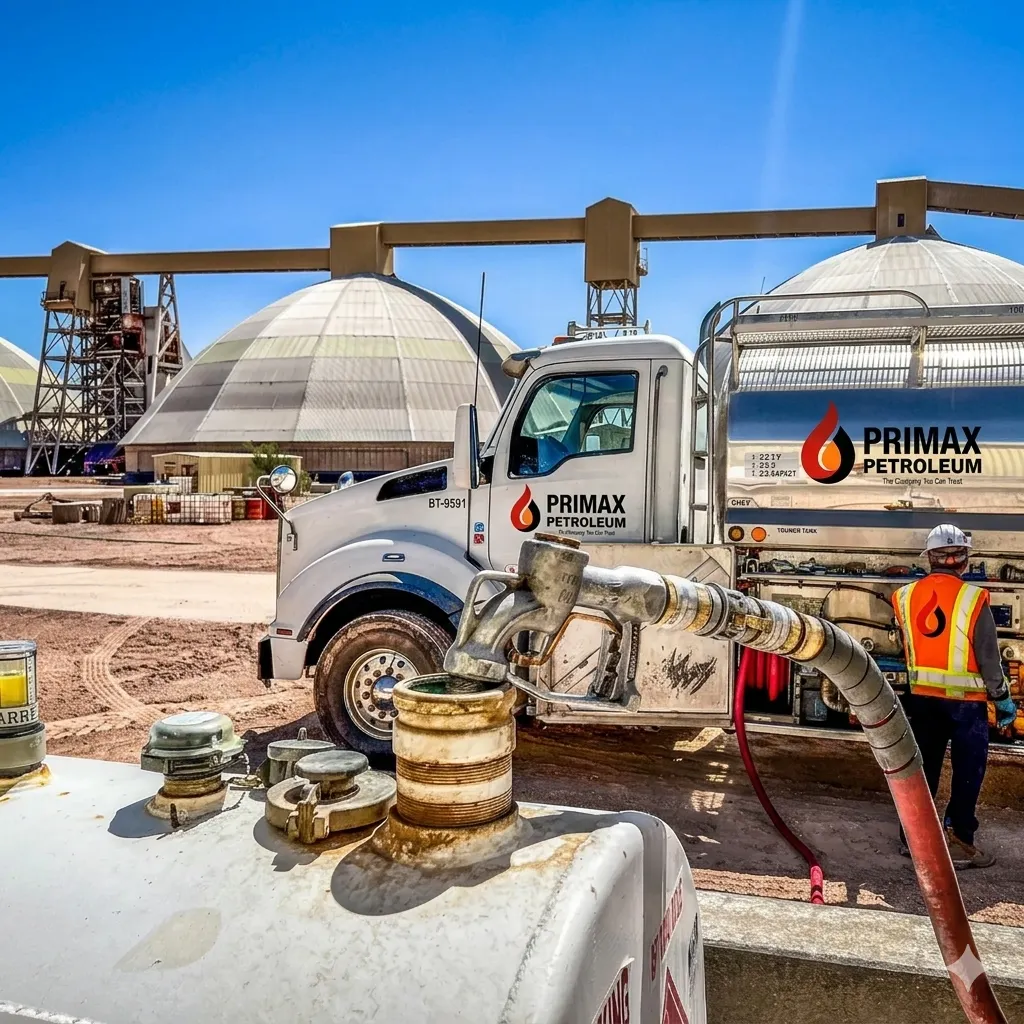
Professional petroleum suppliers use advanced logistics systems, storage facilities, and transportation networks to manage fuel distribution efficiently.
This includes:
-
Secure storage terminals
-
Reliable shipping and transportation systems
-
Strategic partnerships with refineries and distributors
-
Strict quality control and safety standards
A well-managed supply chain ensures that businesses receive fuel without delays or disruptions.
Supporting Industrial Growth
Reliable fuel supply is one of the key factors supporting industrial expansion. As industries grow, their energy requirements increase significantly.
Manufacturing plants, construction sites, shipping fleets, and power generation facilities depend on consistent fuel availability to maintain productivity.
Companies operating in these sectors require partners that can meet increasing energy demands while maintaining quality and efficiency.
The Role of Petroleum Trading Companies
Petroleum trading companies play a major role in connecting fuel producers with industrial buyers. They help manage sourcing, transportation, and delivery of petroleum products across global markets.
These companies ensure that industries have access to essential fuels such as:
-
Diesel
-
Heavy Fuel Oil (HFO)
-
Marine fuel
-
Industrial fuel oils
By managing procurement and distribution, petroleum trading firms help businesses focus on their core operations while ensuring uninterrupted fuel access.
Safety and Compliance in Fuel Distribution
Handling and transporting petroleum products requires strict safety measures and regulatory compliance. Professional suppliers follow international safety standards to ensure secure fuel storage, transportation, and delivery.
Key safety practices include:
-
Proper fuel storage and containment
-
Regular quality inspections
-
Environmental protection measures
-
Compliance with international energy regulations
These standards help reduce risks and ensure safe fuel handling throughout the supply chain.
Choosing the Right Fuel Supply Partner
Selecting the right petroleum supplier is essential for long-term operational success. Businesses should consider several factors when choosing a fuel supply partner.
Important considerations include:
-
Reliability and delivery track record
-
Product quality and certification
-
Logistics capabilities
-
Industry experience
-
Customer support and service
A trusted supplier provides more than fuel—they provide operational confidence.
The Future of Industrial Fuel Supply
As industries evolve, the energy sector continues to innovate and improve fuel distribution systems. Digital supply chain management, improved storage technologies, and efficient transportation methods are making fuel supply more reliable than ever.
Energy companies are also exploring ways to balance traditional petroleum solutions with sustainability initiatives.
Despite these changes, one thing remains constant: industries will always need reliable energy solutions to power their operations.
Conclusion
Reliable fuel supply is the backbone of modern industrial operations. Without consistent access to high-quality petroleum products, industries cannot maintain productivity or meet market demands.
Companies that partner with experienced petroleum suppliers benefit from stable energy access, efficient logistics, and reliable product quality.
Organizations like Primax Petroleum FZC play a vital role in supporting industrial growth by delivering dependable fuel solutions and maintaining strong supply chain networks.